
NATO - Organisation, Community, Actor
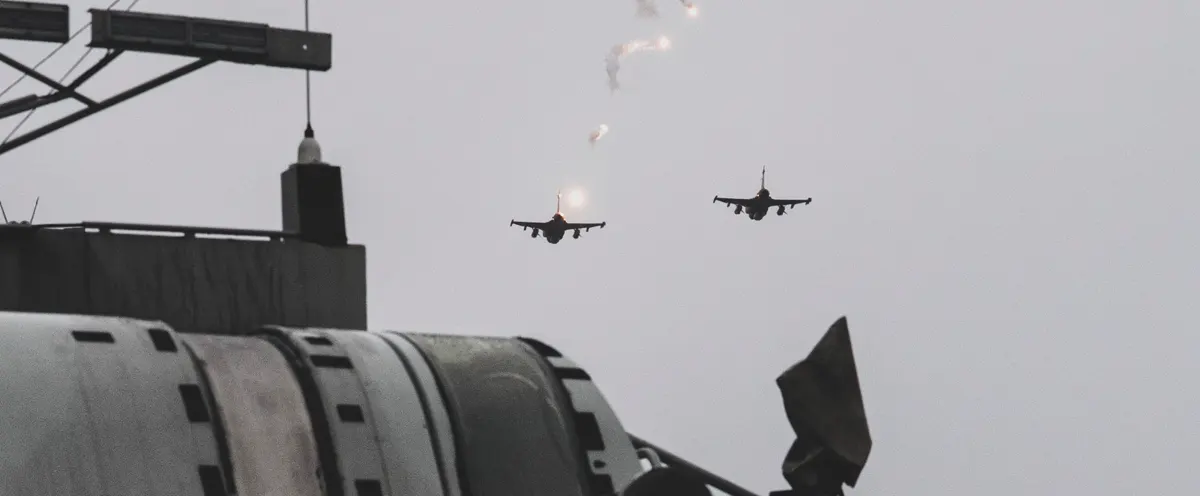
This course gives you the opportunity to study and critically examine NATO from different perspectives: both as an international organisation and a community in which different strategic agendas interact and compete, and as an actor in international politics.
The course approaches NATO’s complexity through four themes:
- NATO’s internal organisational dynamics;
- its enlargement and partnerships;
- the period dominated by international crisis management and its legacy; and
- the return of deterrence and reassurance.
Each theme is examined through a specific theoretical approach.
- Application opens:
- 2026-09-15
- Last day for application:
- 2026-10-15
- Education start:
- Spring semester 2027
- Scope:
- 7.5 credits
- Study mode:
- Campus
- Study period:
- 2027-01-18 - 2027-02-21
- Study pace:
- 100%
- Education cycle:
- Second cycle
- Language of instruction:
- English
- Course syllabus
What does the course lead to?
You will be able to analyse key processes within NATO and their significance for NATO’s role as an actor in international politics from different theoretical perspectives.
You will also be able to explain the central arguments and concepts of alliance theory, theories of negotiation in international organisations, risk theory and deterrence theory in relation to NATO’s development.
The course will enable you to critically examine key arguments and concepts in alliance theory, theories of negotiation in international organisations, risk theory and deterrence theory in relation to NATO’s development.
Course content
Through lectures that encourage critical reflection and independent study of the course literature, you will develop your knowledge of alliance theory, negotiation theory, risk theory and deterrence theory in a NATO context. Through seminars and written assignments, you will further develop your ability to explain, analyse and critically examine NATO’s role in international politics from different theoretical perspectives.
Contact
If you have questions about the course, please contact the study counsellors.
You can reach us by e-mail: studievagledning@fhs.se