
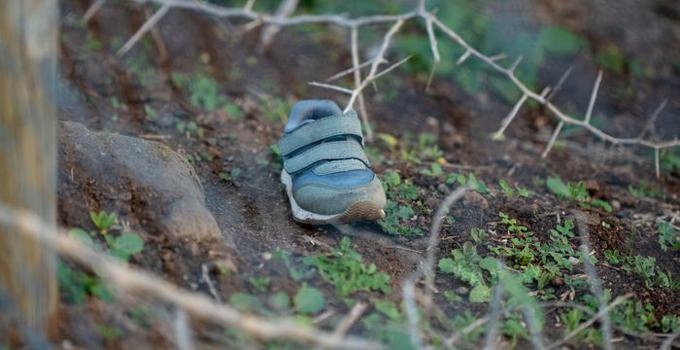
Photo: Unsplash
What happens after the war? On trauma, memory and resilience in Ukraine and Georgia
In the new book Fractured lives , Nino Tabeshadze explores how the trauma of war lives on long after the fighting has ceased. Focusing on Georgia and Ukraine, she shows how trauma shapes individual lives, societies and national identity across generations.
War is often described in terms of front lines, strategies and losses measured in numbers. In Fractured Lives, the focus instead shifts to the human cost of war. Nino Tabeshadze, researcher at the Department of Leadership and Command & Control at the Swedish Defence University and the Georgian Institute of Public Affairs (GIPA), analyses how violence and insecurity leave deep marks on people’s mental health and on collective memory.
Comparative studies of Georgia and Ukraine
The book is based on comparative studies of Georgia and Ukraine, two countries with different historical experiences but clear similarities in how war-related trauma takes shape. A key finding is that trauma is not solely individual. It is shared, retold and woven into national narratives, often across several generations. Mental health conditions such as post-traumatic stress disorder, anxiety and depression emerge as long-term consequences of the conflicts.
At the same time, the study shows that societies develop strategies to cope with and live on with these experiences. Civil society, cultural expression and shared memories play an important role in fostering resilience and healing, even when political conflicts remain unresolved.
“War’s human consequences are often overshadowed. I wanted to understand what happens afterwards, when everyday life has to continue”, says Nino Tabeshadze, who herself has a personal connection to Georgia.
Mental health after war and conflict
The research is based on a qualitative and interdisciplinary approach. By combining theories from psychology, trauma and memory studies with historical and geopolitical analysis, as well as literary and cultural sources such as novels, museums and memorial sites, Nino Tabeshadze paints a broad picture of how war affects both individuals and societies.
“The book can contribute to a greater understanding of mental health in post-conflict societies and to more culturally and historically informed support initiatives. Above all, I want to remind readers that war does not end when the guns fall silent”, says Nino Tabeshadze.
Publication
Nino Tabeshadze (2026): Fractured Lives: Trauma Across War-torn Nations - Tales of Loss and Survival in Georgia and Ukraine, Ethics International Press
More about
Page information
- Published:
- 2026-02-12
- Last updated:
- 2026-02-12