
Theme: The war in Ukraine
Here you find a collection of interviews, articles and videos about Russian warfare and the invasion of Ukraine. We have also collected articles on research and educational projects being carried out during the ongoing war.
Our analyzes and articles below are about Russia's focus on non-military warfare such as deception, cyber warfare and various methods of influence, but also about the war in Ukraine, what laws apply in war and conflict and how it may affect the world order in the future.
Four years of war

Ukraine and Europe's security in a new reality after four years of war
24 February marks the fourth anniversary of Russia’s invasion of Ukraine. We spoke to Lieutenant Colonel Johan Huovinen, Senior Lecturer in Strategy, about the prospects for peace and what t...
Research on the war in Ukraine

What happens after the war?
In the new book Fractured lives , Nino Tabeshadze explores how the trauma of war lives on long after the fighting has ceased. Focusing on Georgia and Ukraine, she shows how trauma shapes...
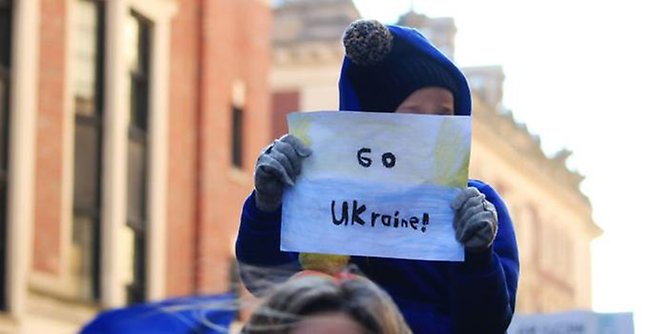
How the war impacts childrens health
Children in Ukraine are particularly hard hit by the consequences of the war. A new study, published in Nature Communications Medicine , shows that children’s access to healthcare has dete...
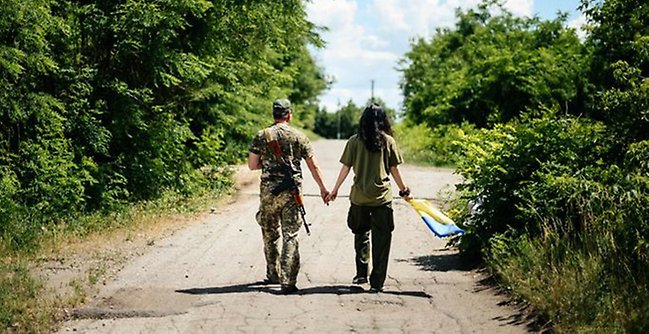
Love on the frontline in Ukraine
How are soldiers affected by having a romantic relationship with another soldier during an ongoing war? Marcel Mangold, Senior Lecturer in War Studies at the Swedish Defence University, expl...
Focus on hybrid warfare
The anthology Russian Warfare and Influence: States in the Intersection Between East and West focuses on how the Baltic states, Belarus, Serbia, and Georgia are affected by their position...
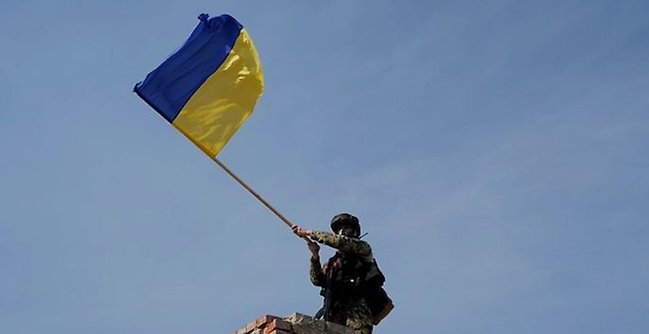
Resilient fighting power in the Russia–Ukraine war
In a new book, Viktoriya Fedorchak provides an analysis of the Russia-Ukraine war, using the concept of fighting power to assess the operational performance of both sides during the first ye...
Interviews with researchers and experts
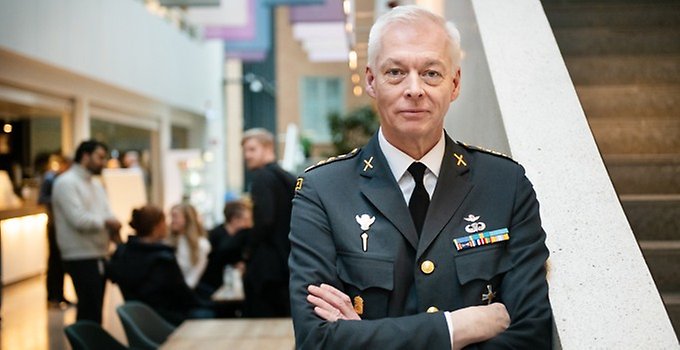
Confident in the role as a military expert in media
Since Russia's invasion of Ukraine almost a year ago, Joakim Paasikivi has become an indispensable interpreter of both Russia's war of aggression and Ukraine's defence in media.
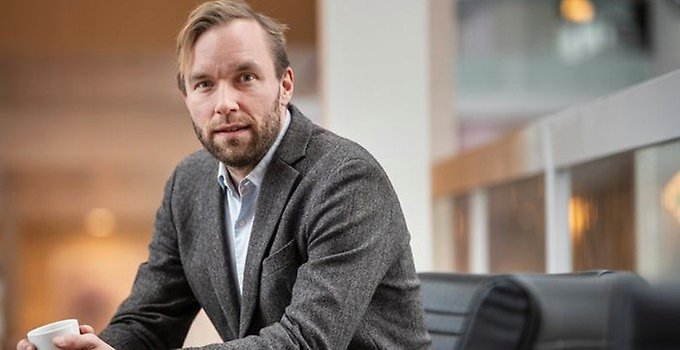
"We need to learn more about Russia"
Although Russia has been high on the news agenda since the invasion of Ukraine, Oscar Jonsson is convinced that we need more knowledge to understand and evaluate the threat from Russia.
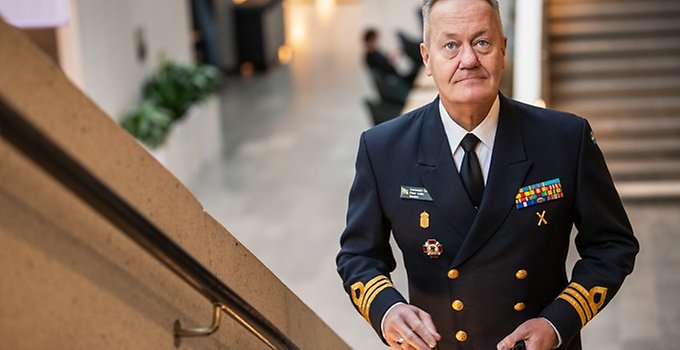
"It is urgent to strengthen Sweden's defence capability"
Peter Lidén, who teaches military science at the Swedish Defence University, has frequently shared his knowledge in the media since Russia's invasion of Ukraine.
Articles and analyses
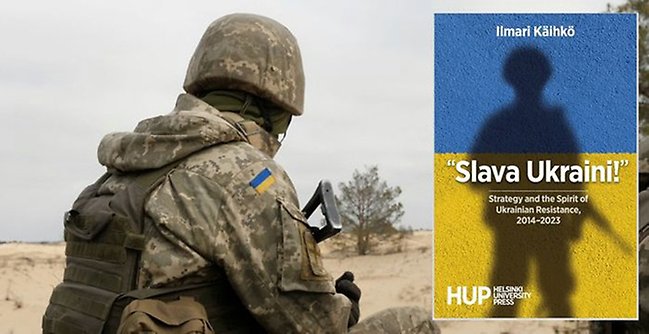
Volunteers' role in Ukraine
In the book "Slava Ukraini", Ilmari Käihkö examines the role of volunteer soldiers in Ukraine during the conflict in Donbas in 2014 and in the ongoing war against Russia.
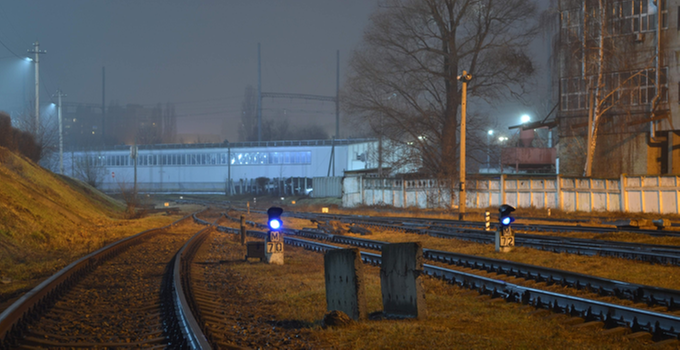
The role of logistics in Russia's setback in Ukraine
Inadequate preparation, poor logistics and unrealistic planning are some of the reasons for the failure of Russia's rapid invasion of Ukraine. These are findings in a new study.
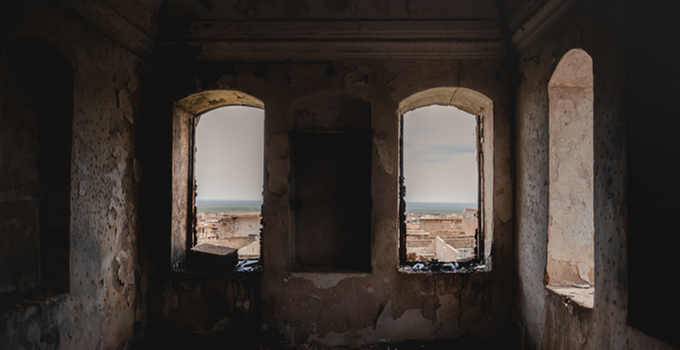
Understanding of urban warfare challenged by the Ukraine war
In a scientific article Kristin Ljungkvist analyses the differences between the war in Ukraine and the type of urban warfare anticipated and planned for by Western military organisations.
%20Zelenskyj-yohan-marion-unsplash.jpg)
"We need leaders who see and care about us"
Ukraine's President Volodymyr Zelenskyj's leadership style has drawn widespread praise. "He has a transformational leadership style", says Sofia Nilsson, leadership researcher at the SEDU.
What laws apply in war and conflict?
– Both Russia as a nation-state and Putin can be held accountable for violations of international law, says Jann Kleffner, Professor of International Law at the Swedish Defence University.
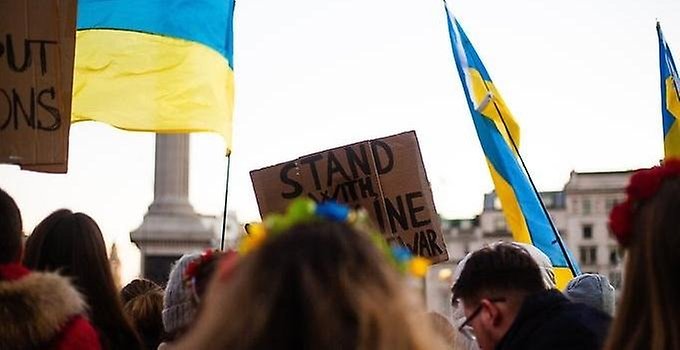
Why the Russian invasion of Ukraine is unlawful
Russia's invasion of Ukraine may be seen as evidence that international law has become irrelevant or, in the worst case, has completely collapsed. Our researchers suggest the opposite.

Younger men more engaged regarding Russian information influence
Men and younger people are clearly over-represented in terms of who consumes and distributes content from the Russian-supported news channels RT and Sputnik.
Spotlight on hybrid warfare
The anthology Hybrid Warfare - Security and Asymmetric Conflict in International Relations examines different aspects of hybrid warfare and hybrid threats. "With this book, we want to p...

Sweden negatively depicted in Russian media
There are great differences in how the Russian news organisation Sputnik depicts the Scandinavian countries. Sweden stands out and is described much more negatively than our neighbours.